
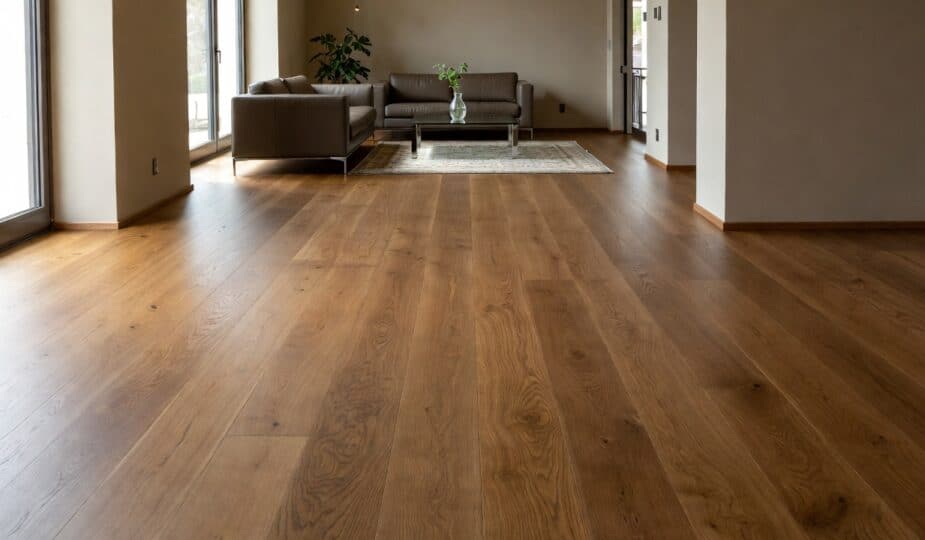
This article explains why oak flooring is perfect for your project. You will get clear comparisons, realistic cost notes, design tips, and maintenance guidance so you can make a confident choice. Practical examples and small checklists are included to simplify decision making on species, finish, installation, and care.
Why oak remains a top flooring choice for homeowners and designers
Oak has a long track record in flooring. Physical properties like hardness, dimensional stability, and grain pattern give oak an edge relative to many other hardwoods. For example, white oak and red oak rank high on the Janka hardness scale. That matters if you expect heavy foot traffic or plan to keep the floor for decades.
Beyond physical strength, oak has a versatile appearance. Its grain can range from straight and quiet to highly pronounced with cathedral flames. That variety makes oak suitable with traditional interiors, modern loft spaces, and transitional rooms that mix old and new elements.
Comparing white oak and red oak for appearance and performance
Choosing between white oak and red oak is often the first practical decision. Each species brings different tones and grain characteristics that influence the overall look and the way the floor will age.
White oak features and benefits
- Color tends to be light brown with subtle olive undertones that work well with cool palettes.
- Grain is often tighter and can resist moisture better because of a closed cell structure.
- Great for kitchens and basements where occasional humidity changes occur.
Red oak features and benefits
- Warmer pinkish to reddish tones that match traditional and rustic interiors.
- Grain is more pronounced with interesting rays and lines that create movement underfoot.
- Typically a touch easier to source and slightly less expensive depending on region.
Solid oak versus engineered oak and when to choose each
Solid oak planks are milled from a single piece of wood. They can be sanded and refinished multiple times over a long lifespan. Engineered oak has a top oak layer fixed to a plywood or HDF core. Engineered planks are dimensionally stable and perform better in areas with subfloor heating or moderate moisture.
Practical selection tips
- Choose solid oak if you want the option to refinish several times and you have a stable, dry subfloor.
- Choose engineered oak for installations over concrete slabs, radiant heat, or locations with seasonal humidity shifts.
- Thickness matters. Look for a wear layer of at least 3 mm if you want to sand once, and 4 to 6 mm for multiple refinishes.
Finish options and how they affect appearance and care
The finish you select will alter the look and maintenance needs of oak boards. Two main categories are factory finished and site finished. Factory finished planks come prefinished with multiple coats using UV curing. Site finishing involves sanding the installed raw boards and applying oil or polyurethane on site.
Oil finishes
- Penetrate the wood and highlight grain with a natural matte to satin appearance.
- Spot repairs are easier because you can reapply oil locally.
- Require periodic maintenance such as cleaning and re-oiling every few years depending on wear.
Polyurethane and hard coat finishes
- Form a surface film that resists scratches and stains better out of the box.
- Less frequent maintenance, though when damage occurs the repair is often more involved.
- Available in glossy, satin, and matte looks to suit different styles.
Sizing, plank width, and installation patterns to match room scale
Plank width and length change the visual feel of a room. Wide planks make a space look larger and highlight natural variation. Narrower boards add rhythm and can hide subfloor movement in older homes. Consider the following guide when planning layout.
- Small rooms under 10 feet wide pair well with 2 1/4 inch to 3 inch boards to avoid an overpowering look.
- Medium to large rooms benefit from 5 inch to 7 inch wide boards for a balanced, contemporary feel.
- Engineered long planks work well in open plan layouts to create continuity between areas.
Cost factors and return on investment
Initial cost depends on species, plank size, finish type, and whether installation is DIY or professional. As a rough range, solid oak materials can run from modest to premium price points. Engineered oak spans entry level to high end depending on wear layer and core construction.
Think of oak as an investment. A well maintained oak floor can last 50 years or more with the right care. In many markets hardwood floors increase resale appeal and can improve selling timelines and offers. If you plan to stay long term, the ability to refinish adds value that cheaper flooring cannot match.
Maintenance common problems and practical fixes
Oak flooring is hardy, but it requires sensible care. Daily habits and quick responses to spills will preserve appearance and performance.
- Scratch prevention tips include felt pads on furniture legs and rugs in high traffic zones.
- To manage humidity, use a humidifier in dry winter months and a dehumidifier during humid summers to keep seasonal movement small.
- Minor scratches can be blended with a colored wax stick or small sanding followed by reapplying finish for a seamless repair.
Environmental considerations and sustainable sourcing
Many manufacturers offer oak from responsibly managed forests. Look for third party certification such as FSC or PEFC when sustainability matters to you. Reclaimed oak is another option that provides character and reduces new harvest demand.
Choosing locally milled oak reduces transportation impact and often lowers cost. If you care about the supply chain, ask suppliers about mill origin and the percentage of certified product in their inventory.
How to select the right oak for your specific project
Selecting the right oak requires matching use case, room conditions, and aesthetic goals. Begin with a shortlist of species and finishes, then order samples to view in your actual light. Test a small area when possible to evaluate wear and color interaction with existing furnishings.
For deeper reading on selection criteria and installation details you can see more about the technical points that matter for long term success.
Questions to ask suppliers
- What is the wear layer thickness for engineered planks?
- Can you provide information about kiln drying and moisture content at delivery?
- Are samples available and what is the return policy for unopened boxes?
When to call a flooring professional
- If you have uneven subfloor or suspect moisture in a slab, hire a pro for testing and preparation.
- Large open areas or stairs often benefit from professional installation to reduce visible seams and ensure smooth transitions.
- If you want to install radiant heat below the floor, consult an installer experienced with your chosen product.
Final practical checklist before buying oak flooring
- Order samples and observe them at different times of day.
- Confirm acclimation requirements with the supplier and plan for adequate time on site.
- Measure twice and purchase 7 to 10 percent extra material to allow for cutting, waste, and future repairs.
- Decide on finish at the time of purchase to match baseboards and door thresholds.
Conclusion
Oak flooring combines durability, timeless appeal, and adaptability to many design styles. Its physical properties make it suitable for frequent use while offering the option to refinish and refresh the surface over long ownership periods. When choosing oak, consider species, whether a solid or engineered product fits the space, the finish that aligns with your lifestyle, and practical factors such as plank width, acclimation, and subfloor condition. Order samples and measure environmental conditions to minimize surprises. Small investments in proper installation and routine care pay off in appearance and lifespan. If you are ready to move forward, start by comparing samples and talking with reputable suppliers and installers. A well chosen oak floor will serve daily needs and provide lasting value. Take the next step by planning a site visit, collecting quotes, and scheduling acclimation so your project proceeds on time and on budget.